Multisensory park
MULTISENSORY PARK
The Multisensory Park is an open space without architectural barriers, purposefully designed so that its sensorially coordinated environment interactively stimulates the five basic human senses. It is intended primarily for people with visual impairments, deafblind individuals, and people with mobility difficulties, but also for all other visitors.
The multidisciplinary Multisensory Park project integrates the fields of landscape architecture and horticulture, education, rehabilitation, and art. It was created through the collaboration of the Faculty of Education and Rehabilitation Sciences, landscape architects, the Mali dom Community Services Center, artists, and the City of Zagreb. The authors of the multidisciplinary Multisensory Park project are Ivanka Mlinarić, Master of Landscape Architecture (Zagrebački holding d.o.o., Zrinjevac Branch), and Professor Rea Fulgosi-Masnjak, PhD (Faculty of Education and Rehabilitation Sciences, University of Zagreb). The park was built in 2005 and covers around 8,000 square meters.
The landscape elements are enriched with interactive sculptures created by Ivona Biočić Mandić, Sanja Fališevac, Margareta Vidmar, Krešimir Katušić, and Danijela Kljajić. Users of the Mali dom Center, together with veterans and their family members from the Tigrovi Comprehensive Care Institution, participated in shaping some of the sculptures. A special feature of the park is its benches and sound-emitting waste bins, adapted for people with disabilities and designed by Dražen Viljušić (Master of Kinesiology, UNESCO mentor for the design of didactic toys and assistive devices, Mali dom). The park also includes an accessible grill suitable for wheelchair users.
The landscape, artistic, and additional features complement each other, offering opportunities for educational play, gaining new experiences, moving and navigating in space, developing creativity, imagination, and aesthetic awareness, and connecting with nature. All of this contributes to improved psycho-physical balance, stress reduction, and the development of ecological awareness.
The Multisensory Park, which had deteriorated during the pandemic, was restored between 2024 and 2026 through the collaboration of the Institution for the Management of Sports Facilities, the City of Zagreb, the City Office for Social Protection, Health, Veterans and Persons with Disabilities, the Faculty of Education and Rehabilitation Sciences of the University of Zagreb, and the Mali dom Community Services Center.
ABOUT THE SCULPTURES
Children and young people with disabilities, as well as persons with impairments, often face numerous challenges in everyday life due to reduced adaptive potential and because the world around them is not designed to meet their needs. This also affects their inclusion in the wider community. Creativity, where rigid rules do not exist, is an ideal path for developing positive ways of self-expression. A person cannot make a mistake - they are successful, and with success comes relaxation and satisfaction, both necessary for learning and harmonious development. By developing creativity, the ability to adapt to new situations increases. Through creativity and creation, which in the form of interactive sculptures came to life in the Multisensory Park, children and people with disabilities have been given the opportunity to contribute to society with their vision, building a bridge between people with and without disabilities through interaction.
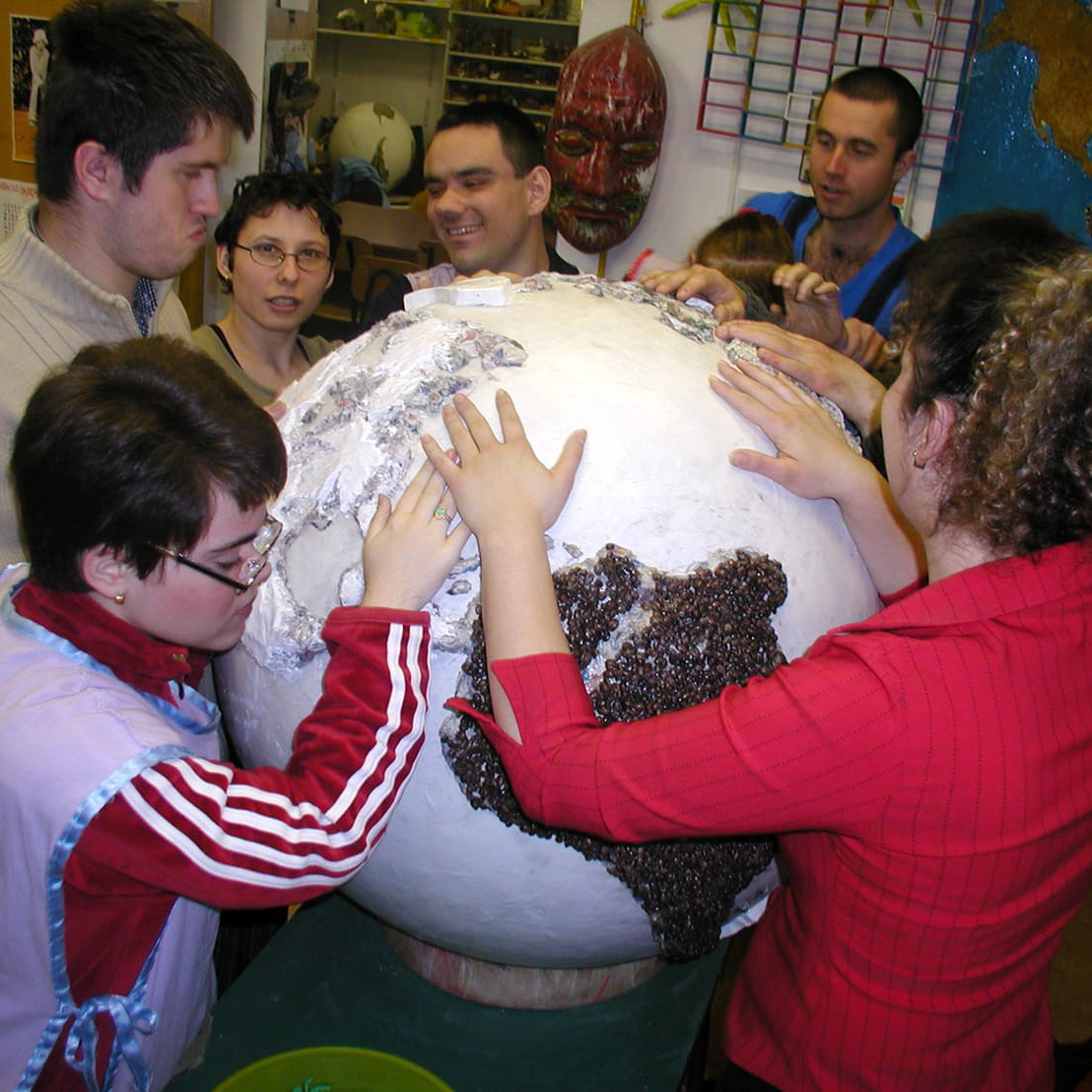
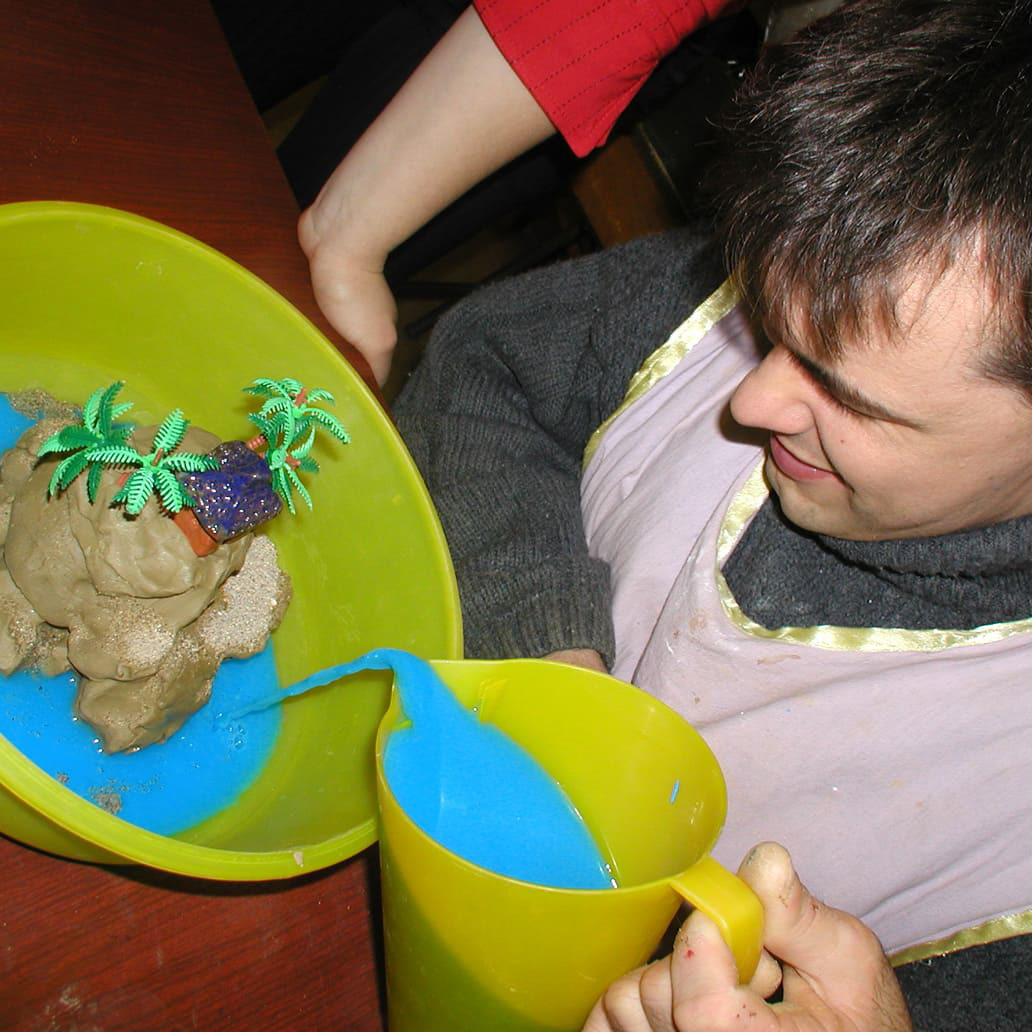
Under the therapeutic and artistic guidance of Margareta Vidmar, Krešimir Katušić, and Danijela Kljajić, children and young participants with visual and additional impairments from the Creative Workshop program of the Center were introduced to the role of artists and guided through the creative process—from finding ideas, exploring symbols and metaphors, shaping and solving artistic challenges, to completing sculptures modeled in clay or using papier-mâché. The final works were then cast in polyester or bronze.
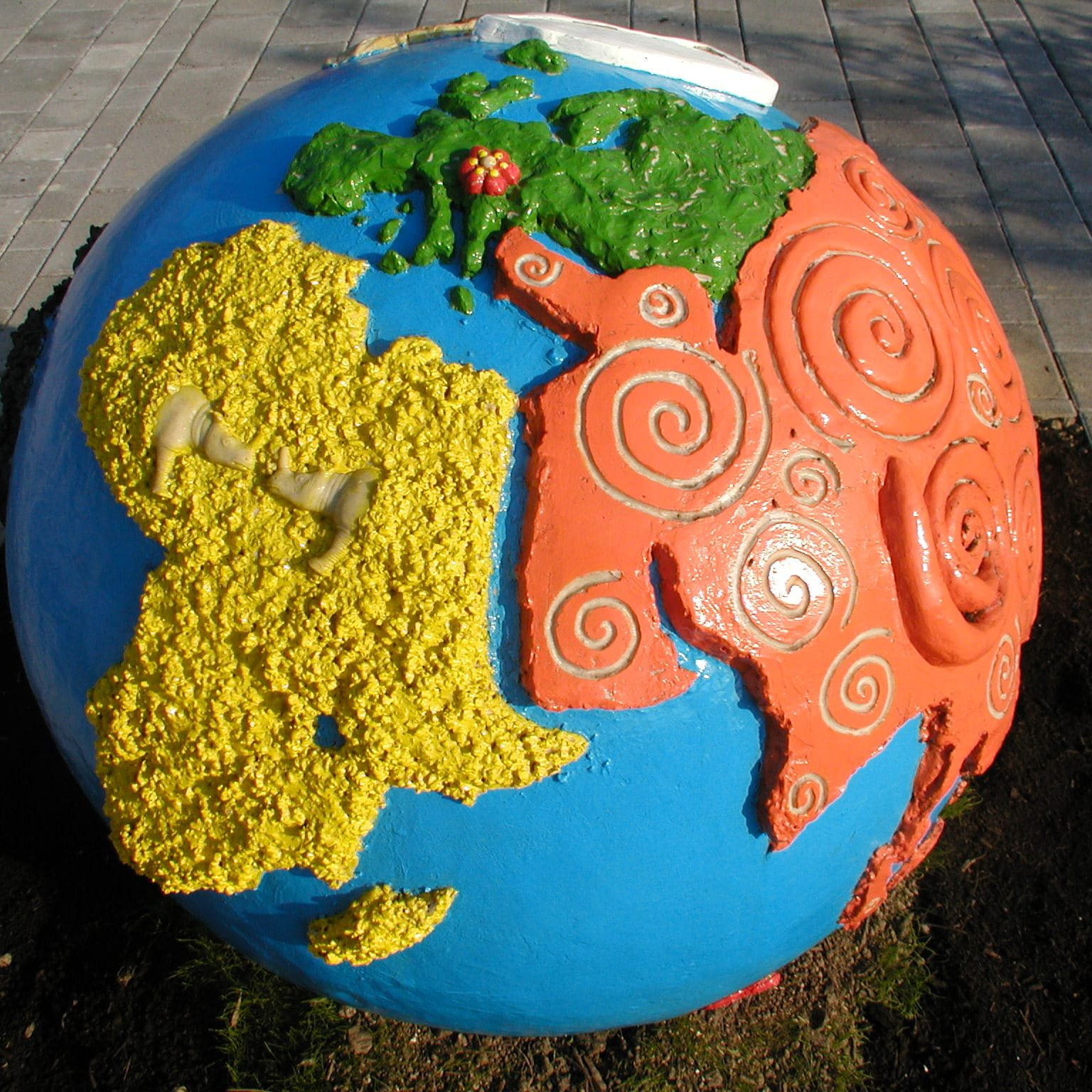
“EARTH EMBRACES EARTH” (polyester, 2005)
A tactile globe, partially embedded in the ground, symbolizes the desire for the microcosm of people with disabilities to merge with the macrocosm. The continents are symbolically painted in expressive, pure colors with meaningful visual content. An artistic intervention in the form of an island added beside Hawaii marks the location of the Mali dom, reflecting the sense of place in the world experienced by these young people with disabilities. The island is protected by a guardian whale, and communication with the rest of the world is established by a small boat.
“CAT” (bronze, earth, 2005)
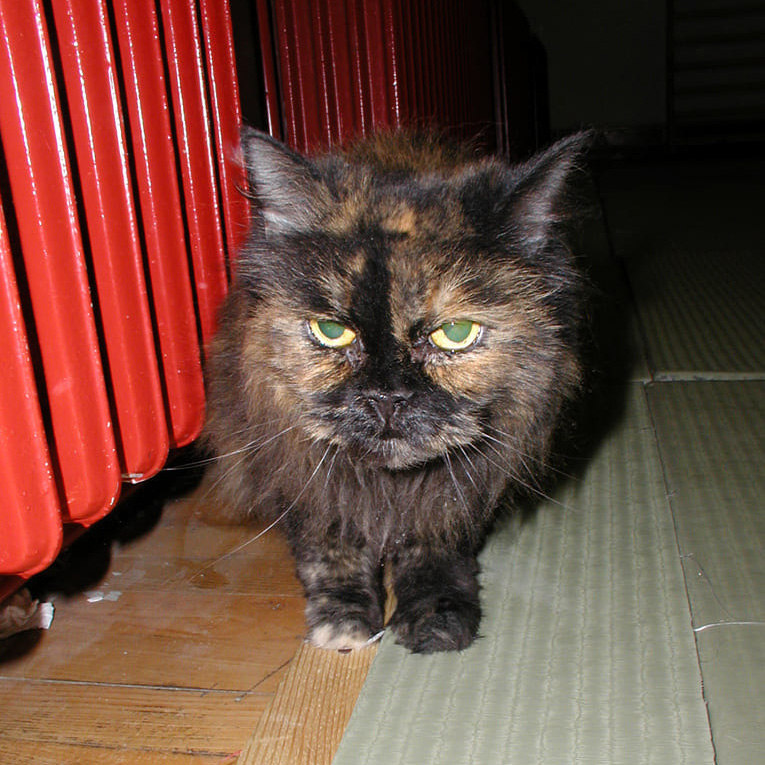
A group artwork by the Rosopas art group, representing their vision of a cat that embodies the independence and resourcefulness they wish for themselves. However, the cat is also a sensitive being. On its chest are small doors that lead into its interior, allowing one to touch its heart and feelings. The piece was created shortly after spending time with a real cat and is an expression of that experience.
_edited.jpg?vel=384734)
_edited.jpg?vel=397235)
“LITTLE FRIEND” (bronze, 2005)
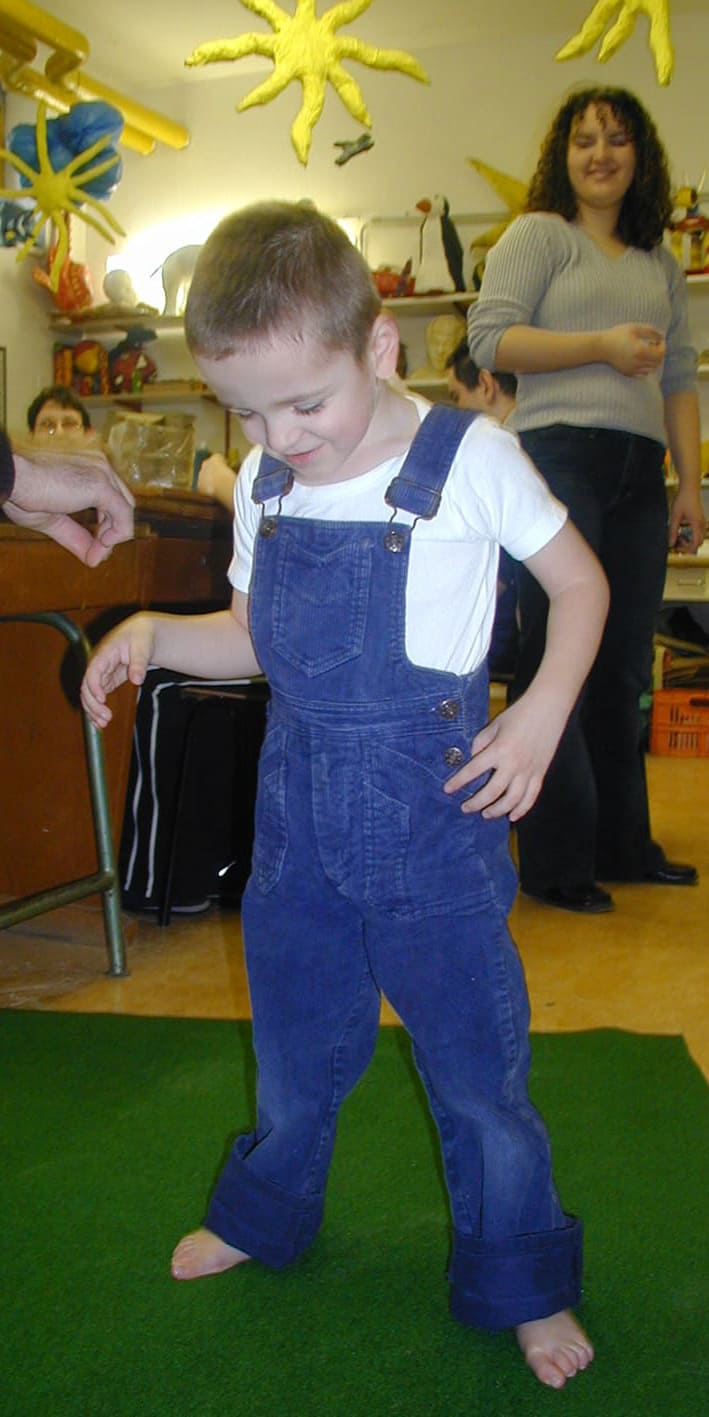
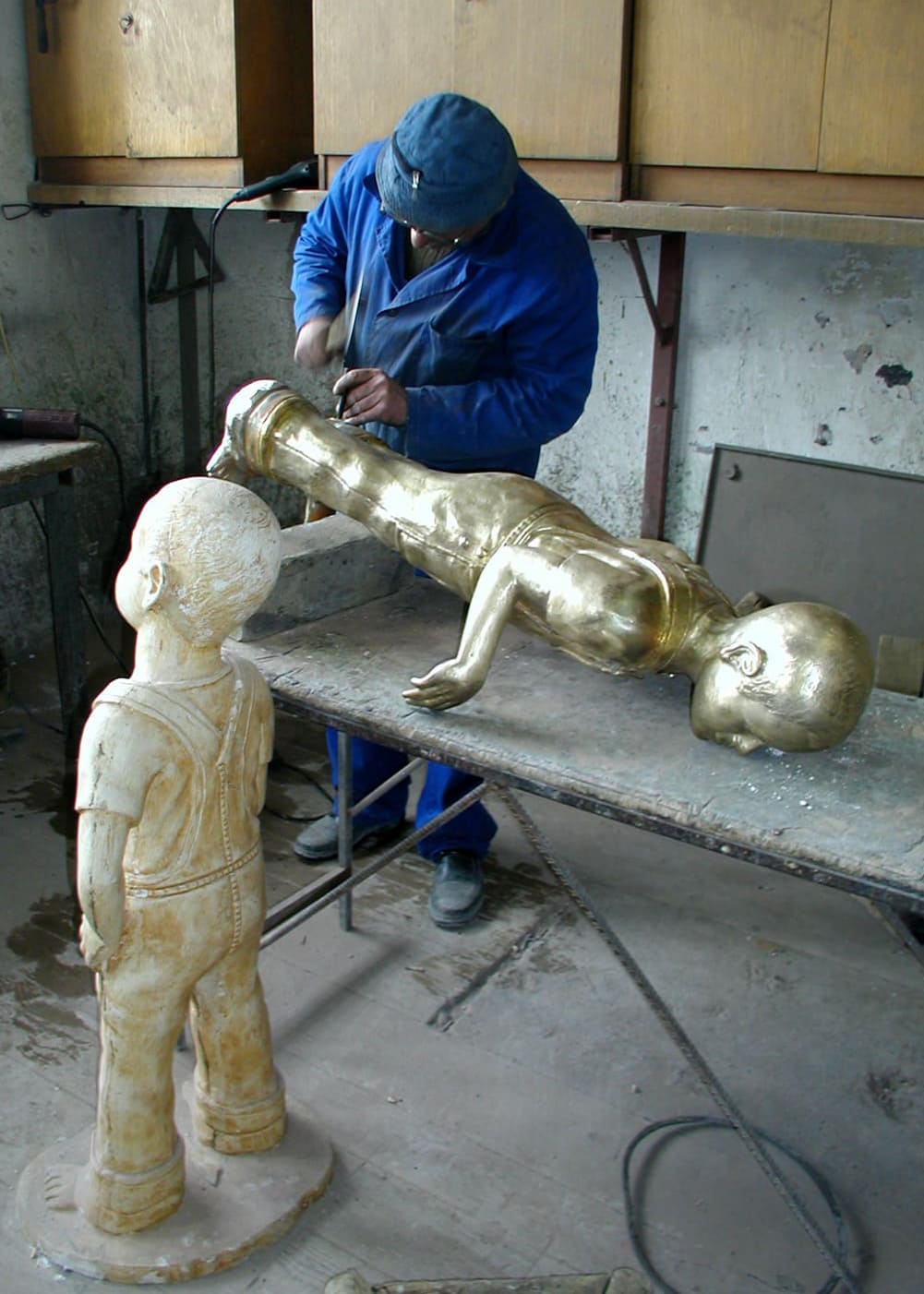
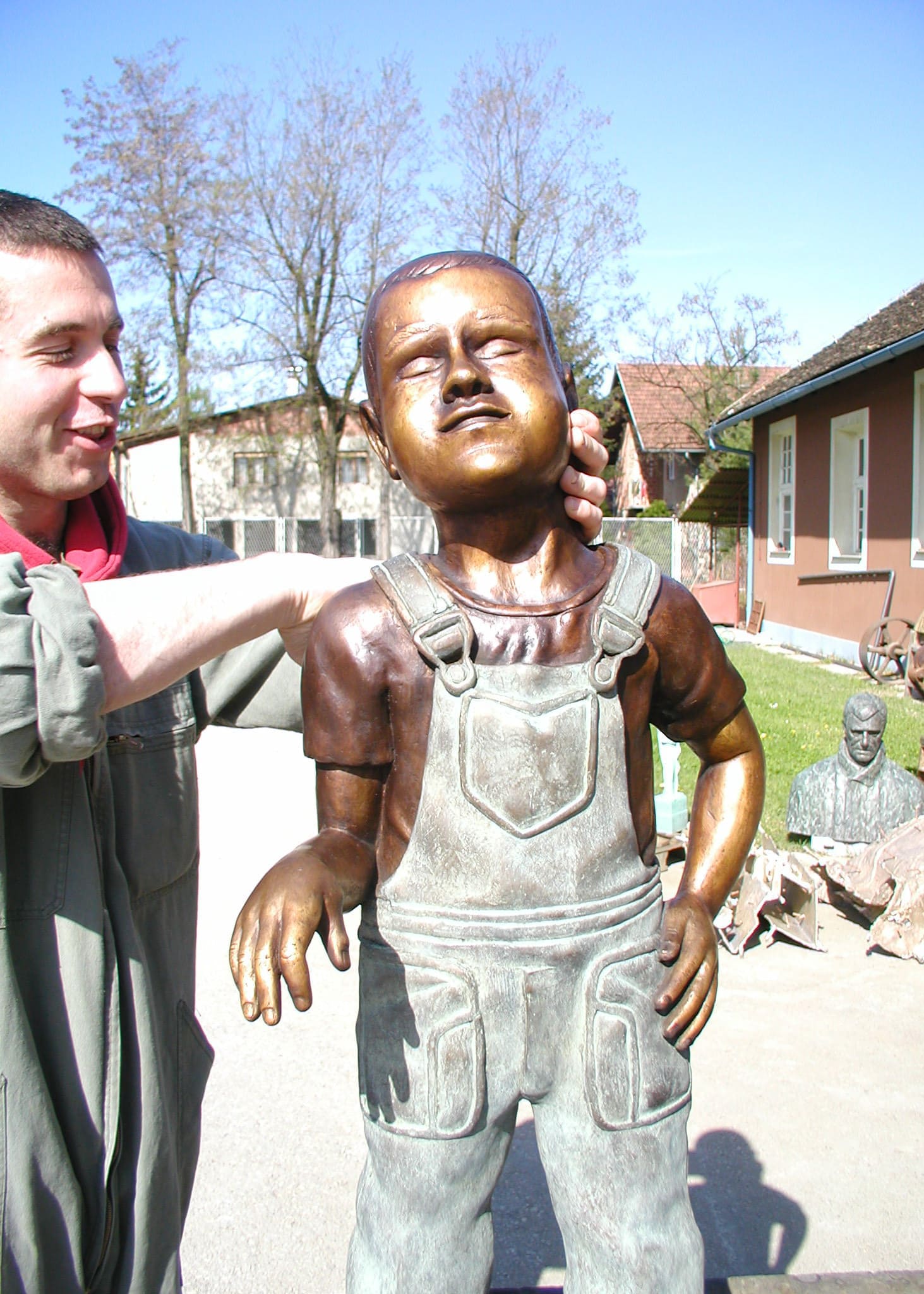
A continuation of the “Shimmering” project, in which, through a therapeutic mirroring game “Sculptor-Model,” sculptor-therapist Krešimir Katušić models a boy with visual and motor impairments, representing the users of Mali dom. The boy symbolizes a child free from imposed ideas of limitation and invites others to play.
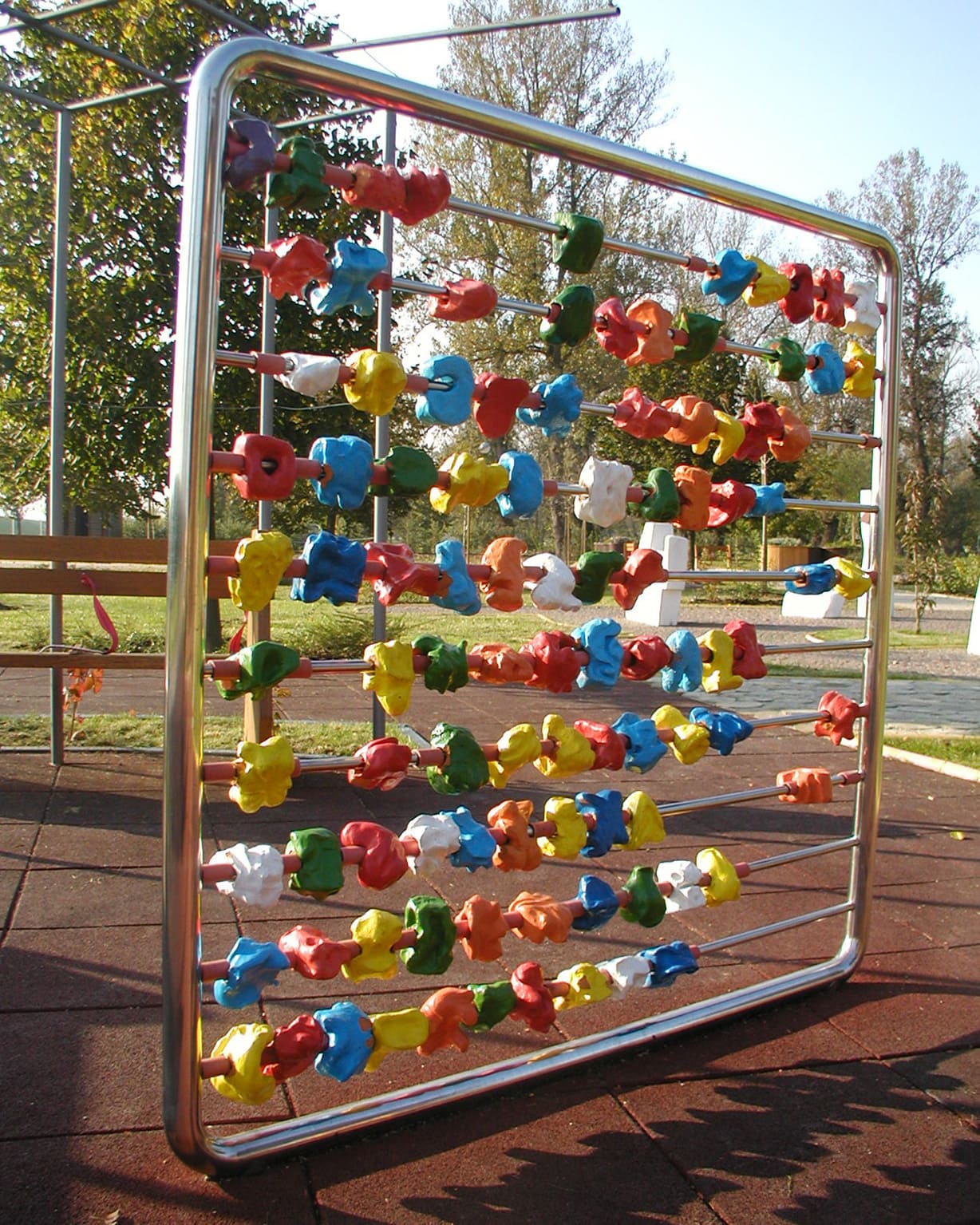
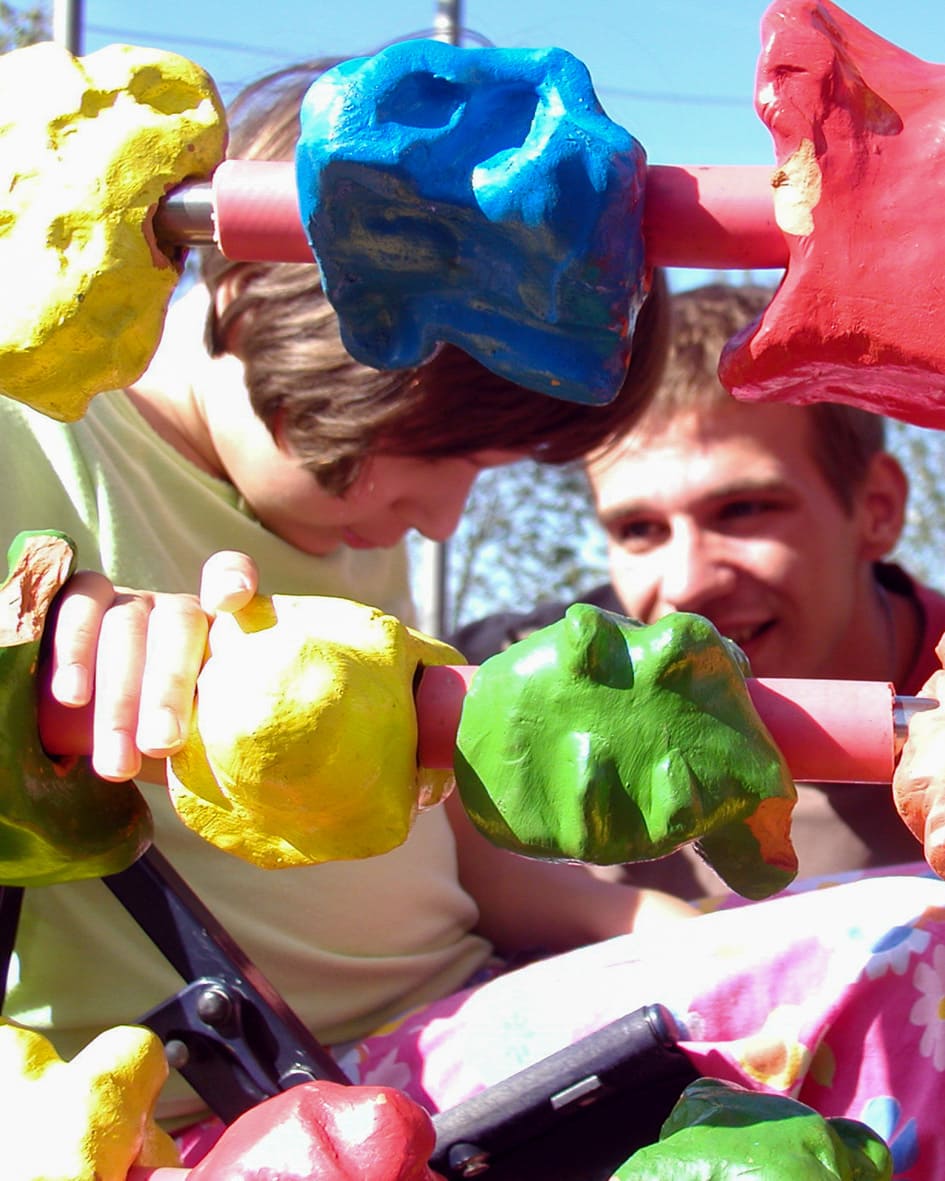
“ABACUS DABRAKUS” (clay, acrylic, stainless steel, 2005)
This analog computer consists of one hundred equal-weight forms, symbolizing the equality of all human beings. However, their varied shapes and colors represent the individuality and uniqueness of each person. Their movement suggests connection and the creation of a full and meaningful life—“Abracadabra!”
During the pandemic, the sculpture was stolen. It was later recreated through the joint efforts of young users of Mali dom and veterans and their family members from the Tigrovi Comprehensive Care Institution.
_edited.jpg?vel=134480)
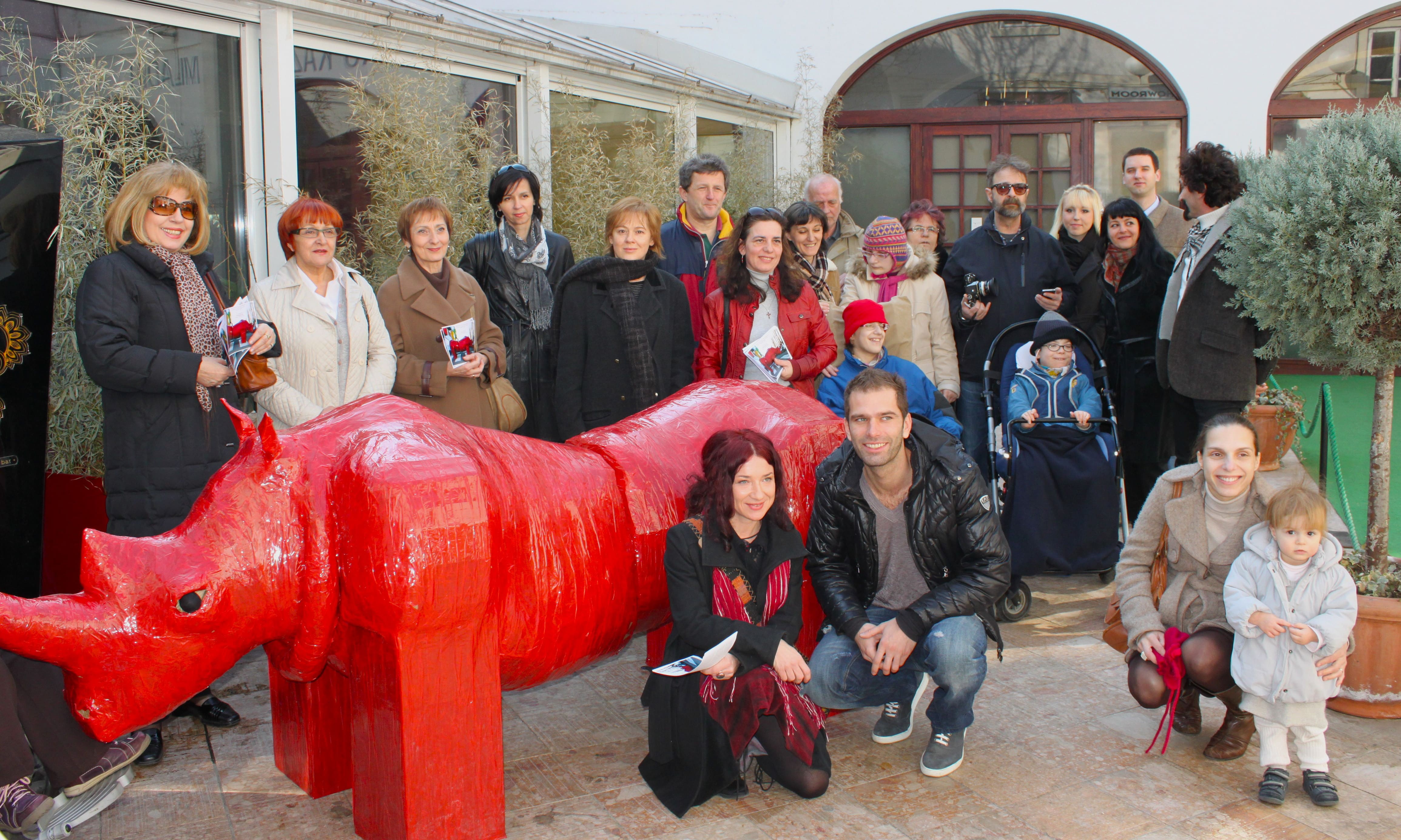
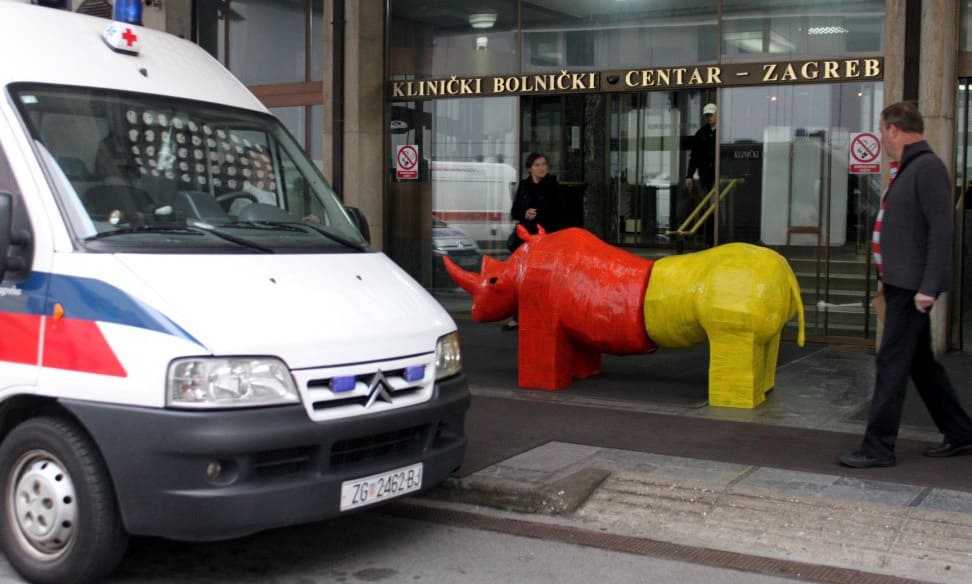
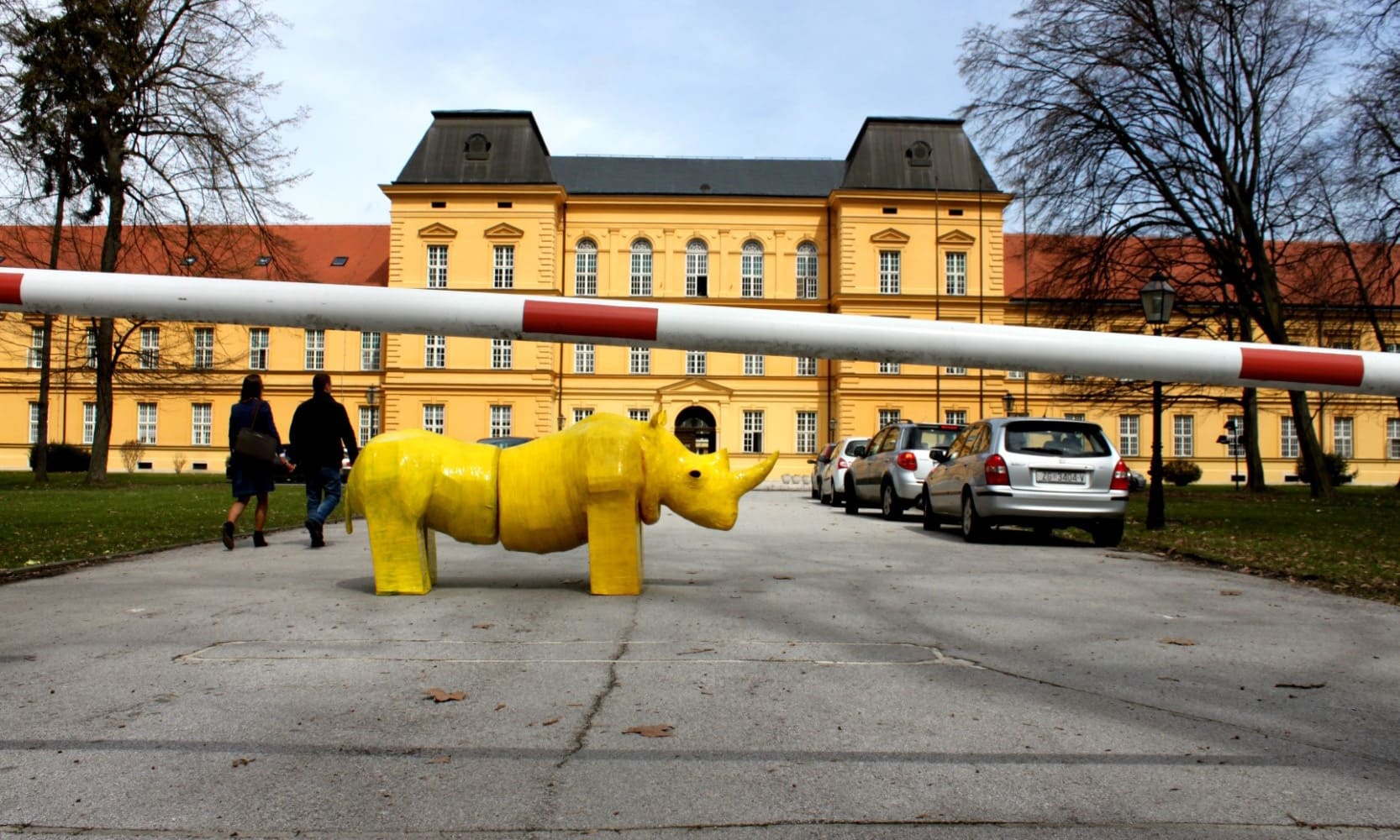
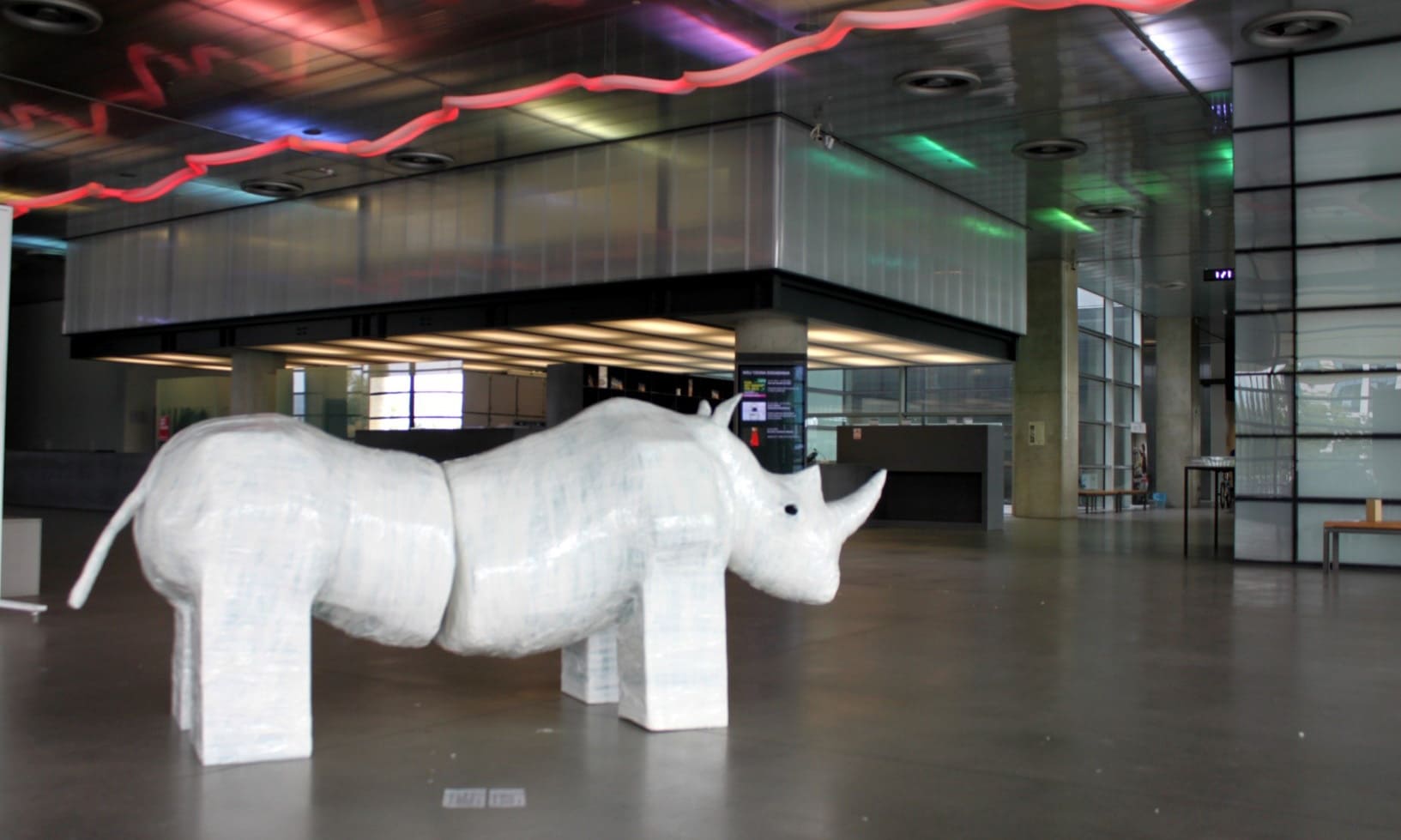
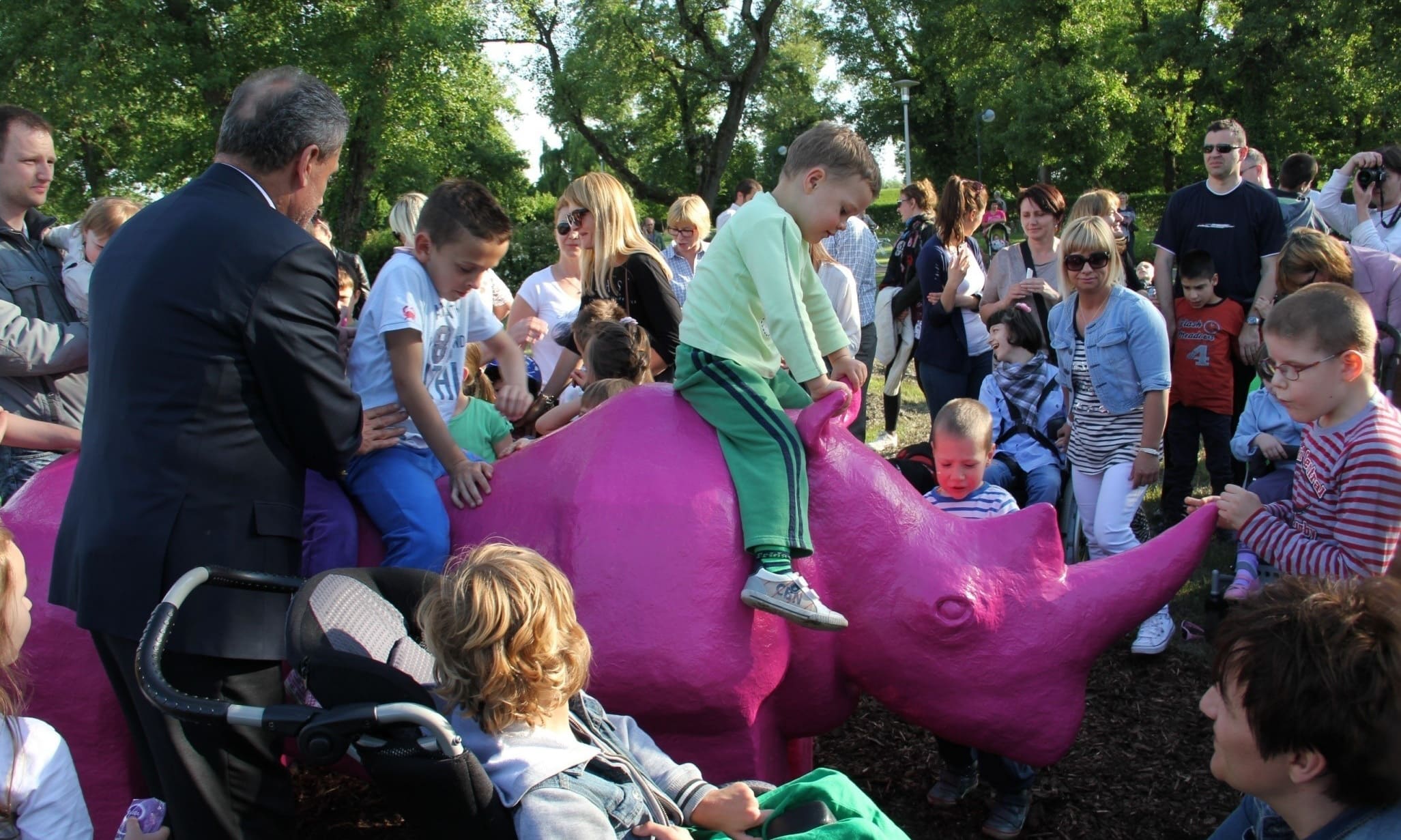
Social Sculpture “RHINOCEROS” (polyester, acrylic, 2005)
This sculpture originated from the inclusive art project “Rhinoceros” (2011-2014) by Margareta Vidmar (art therapist and artist). The project began in the creative workshop of Mali dom with the creation of a mobile rhinoceros sculpture using the artist’s own recycling-based method. The work was created together with a group of children and young people with multiple disabilities, who, under her guidance and with the assistance of Danijela Kljajić, Romana Jambrešić, and Dražen Viljušić, were introduced into the role of artists.
The Rhinoceros then followed the authors’ initiative or responded to invitations, moving to various city spaces through either planned or spontaneous events. Through interactions with different target groups (passersby, kindergarten and school children, students, congress participants, patients young and old, museum visitors, retirees), the Rhinoceros gathered experiences and continued to develop. This development was reflected in the changing color of its “skin,” with each color carrying symbolic meaning.
The Rhinoceros was presented through storytelling about its life, accompanied by visual material. Presentations were followed by games, discussions, and creative workshops, through which the community itself contributed to shaping the sculpture’s identity and the project’s evolution, creating a new narrative, a new story.
When the Rhinoceros “discovered” that it was both a sculpture and a metaphor, academic sculptor Krešimir Katušić provided it with a solid polyester body suitable for outdoor life, enabling it to do what good sculptures are meant to do—awaken the longing for a better world.
The short film “The Story of the Rhinoceros” (editing: T. Fiket, 10’18’’) premiered as part of the program “Different and Equal - Art and Inclusion” at the Museum of Contemporary Art in 2022.
_edited.jpg?vel=3293877)
Video: The Story of the Rhinoceros
The film includes subtitles and is accessible to people with hearing impairments.
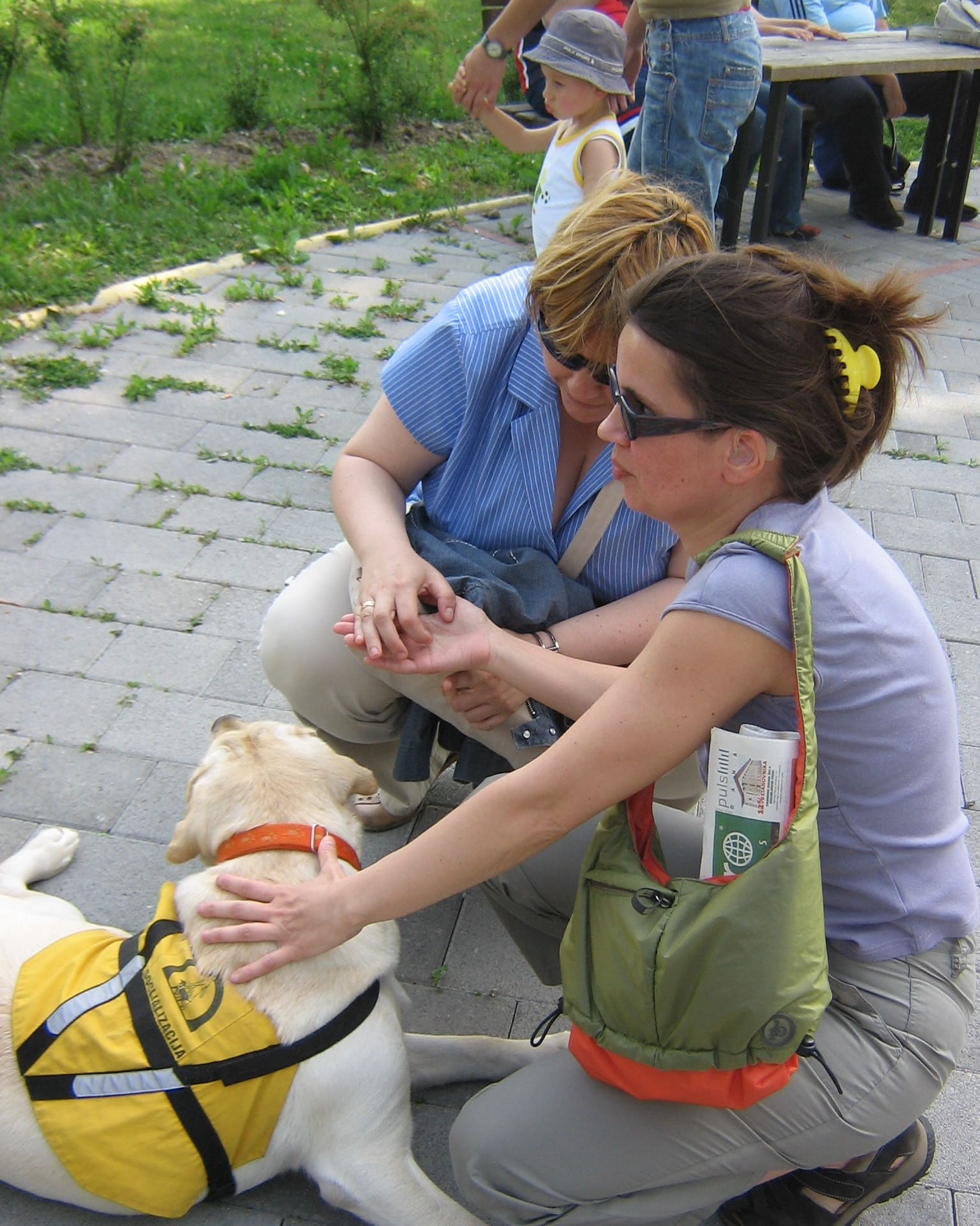
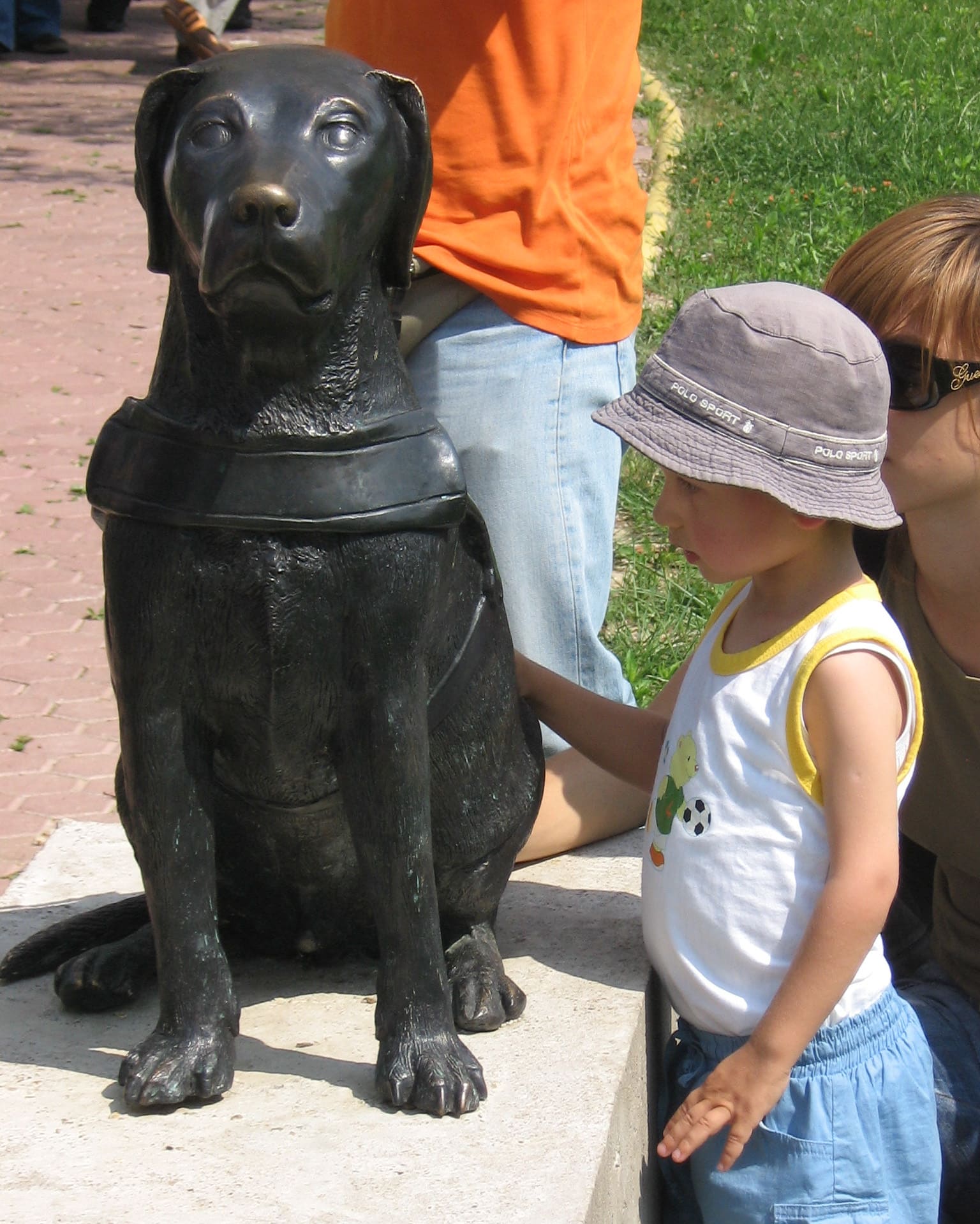
SANJA FALIŠEVAC “GUIDE DOG VAL” (bronze, 2006)
Sanja Fališevac, a deafblind sculptor, graduated from the School of Applied Arts and, following her inner sensibility, dedicated herself to sculpture. She has held over 20 solo exhibitions in Croatia and abroad, in addition to numerous group exhibitions. She is a member of the professional associations ULUPUH and HDLU. Sanja communicates through the tactile quality of her sculptures, and for the park, she created the guide dog Val as a tribute to the loyal companions of people with visual impairments.
_edited.jpg?vel=217171)
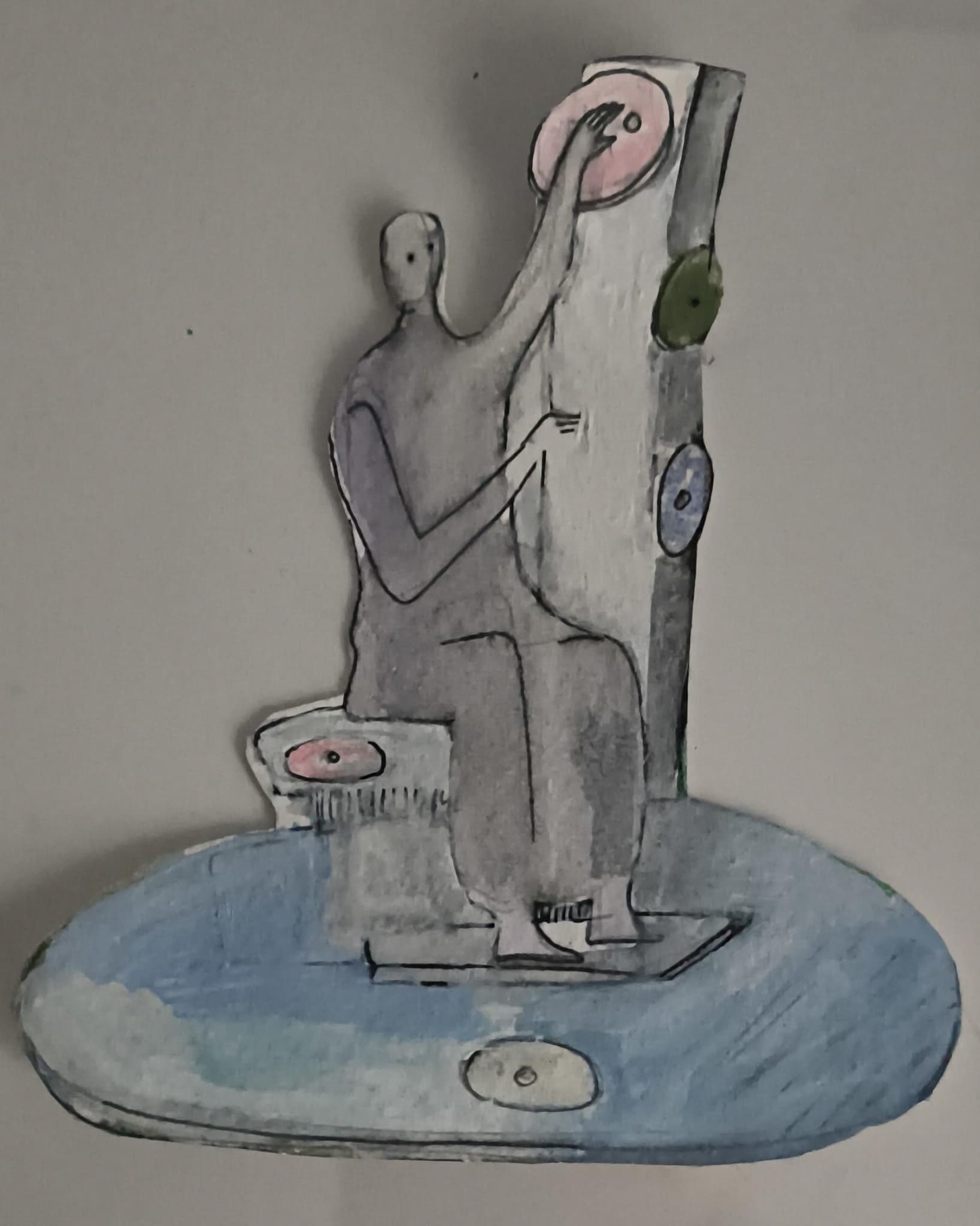
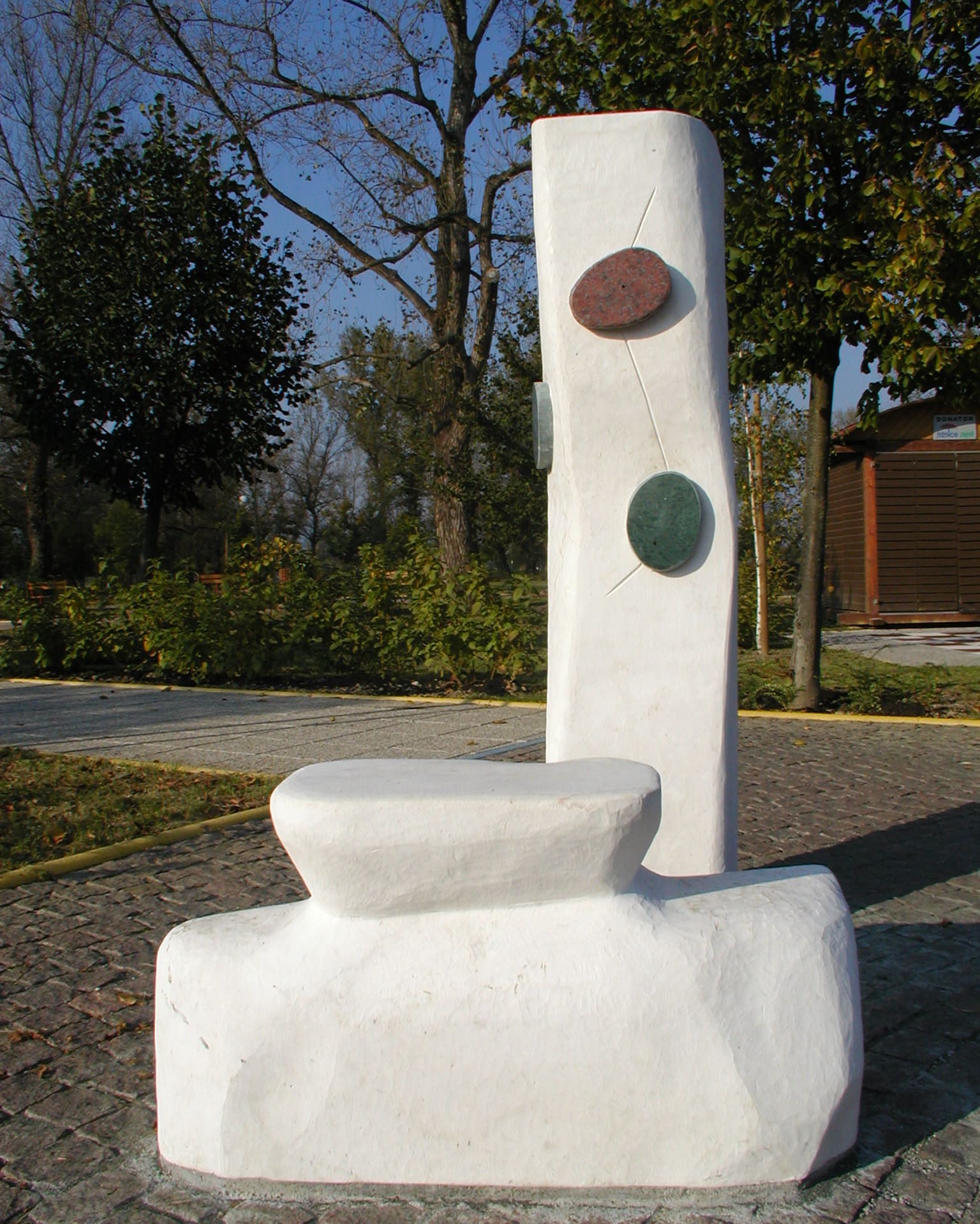
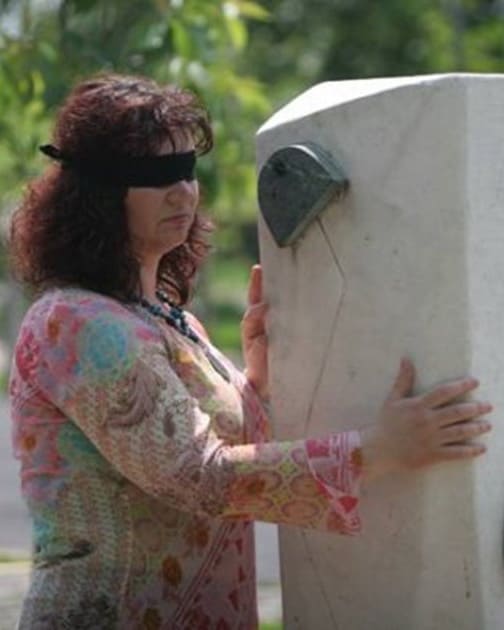
IVONA BIOČIĆ MANDIĆ “3 SCULPTURES FOR SITTING AND PILLAR” (stone, 2005)
Dr. art. Ivona Biočić Mandić graduated in sculpture in 1993 in the class of Stipe Sikirica in Zagreb. She defended her dissertation, “The Visual Artwork in the Perception of Blind People”, in 2014, under the mentorship of Peruško Bogdanić (sculpture) and Miško Šuvaković (theory). Her tactile stone sculptures can be found in Sućuraj, Split, Zagreb, Jakovlje, and Brookline, NH, USA. The three tactile interactive sculptures for sitting and the Pillar carry symbolic meaning and represent architectural motifs from the artist’s childhood.
ADAPTED BENCHES, WASTE BINS, AND BARBECUE AREA
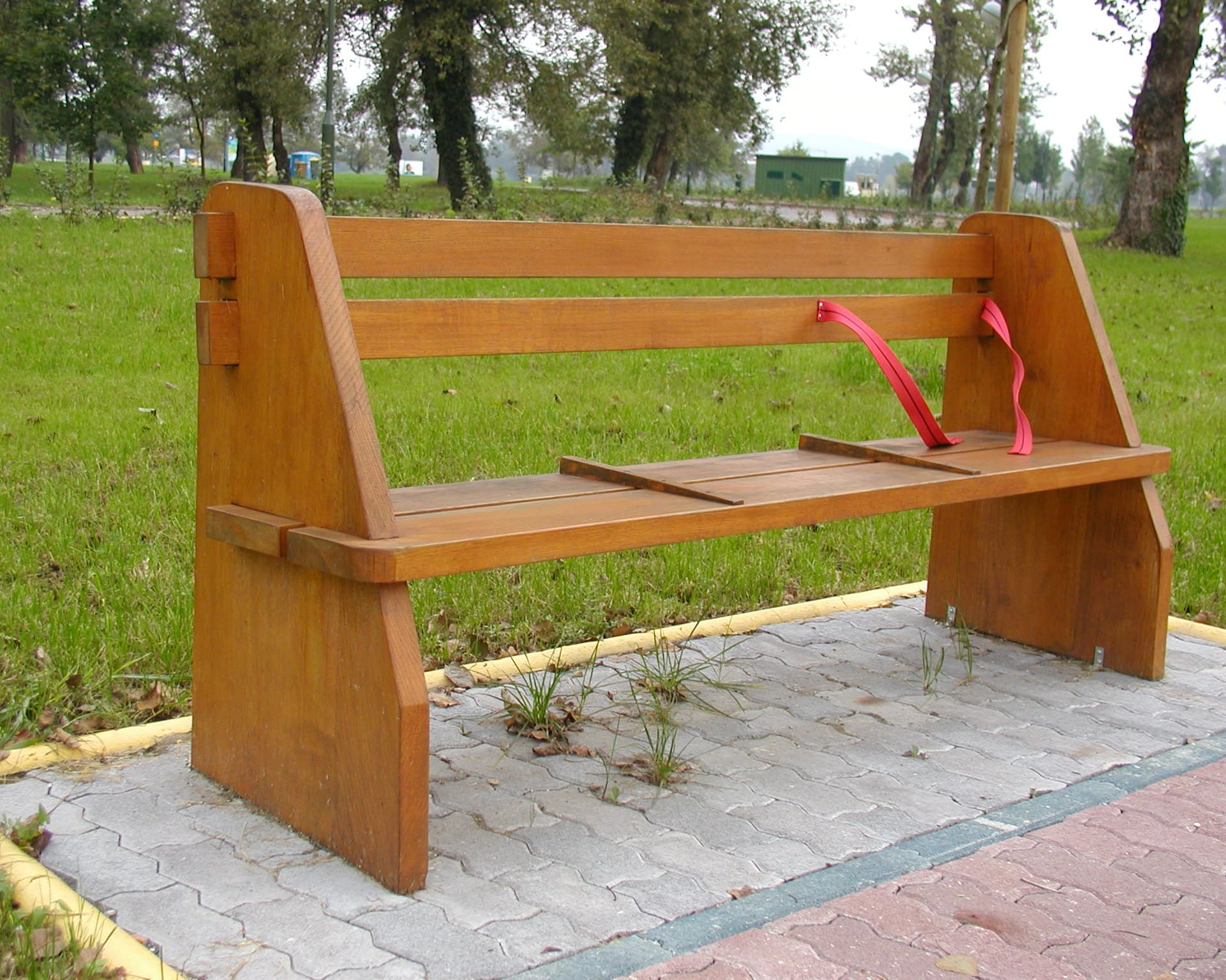
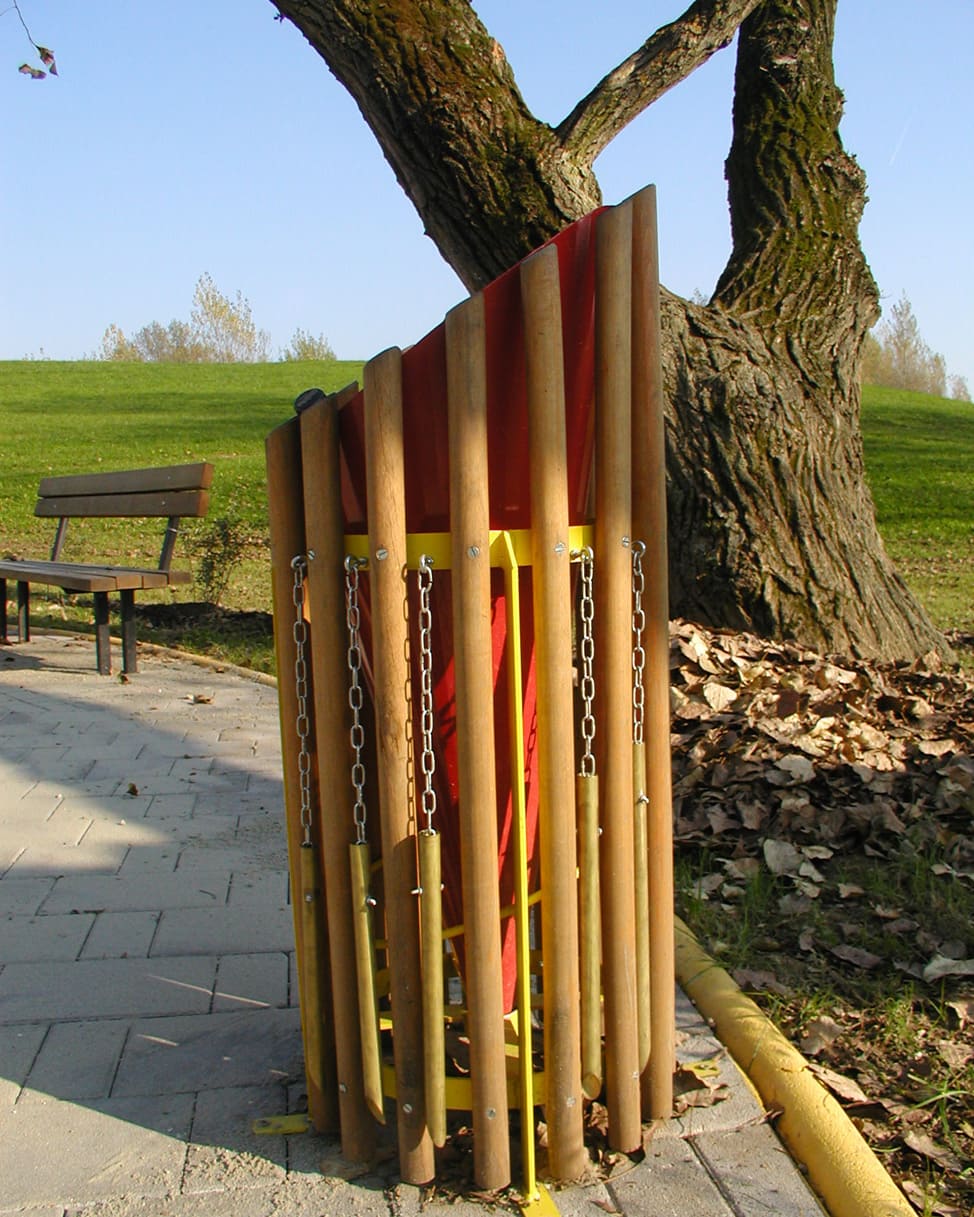
The park features benches with tactile seat boundaries to help people with visual impairments orient themselves, as well as supportive belts for those with limited muscle control. The brightly colored waste bins create musical sounds with attached bells when moved by the wind. The benches and auditory waste bins were designed by Dražen Viljušić (Master of Kinesiology and UNESCO mentor for the creation of didactic toys and aids) and were developed as part of the Didactic and Rehabilitation Aids Program at the Mali dom Center.
The park’s amenities also include a social area with a barbecue accessible to wheelchair users, tactile tables for playing with various materials, and a garden chess set with tactually distinct squares.
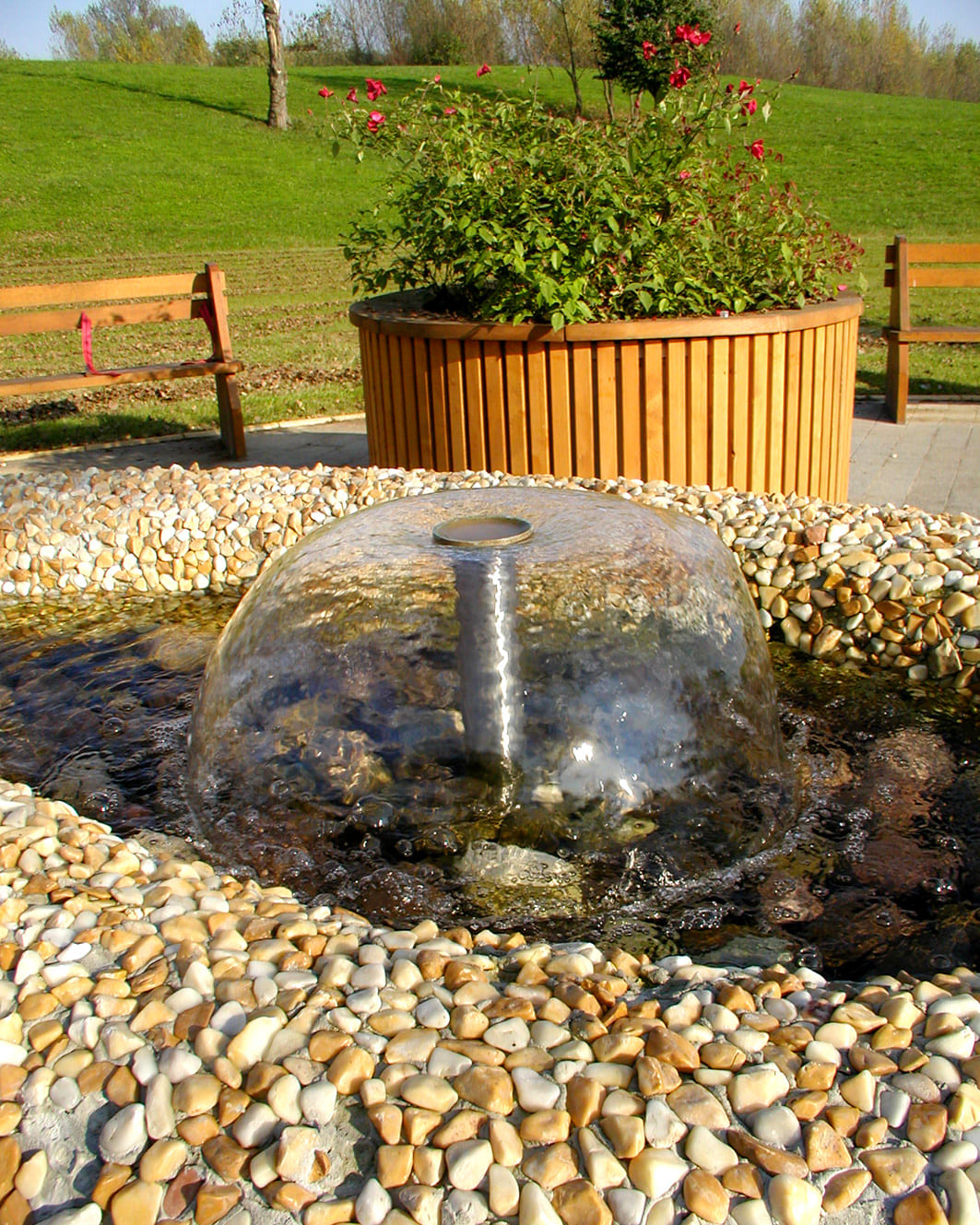
We invite you to visit the Multisensory Park and fully enjoy the sensory experience!